|
Category: Uncategorised
-
newsletter (May 2022 – Issue 15)
-
newsletter (July 2022 – Issue 16)

About the Hong Kong Laureate Forum
Welcome to the July 2022 issue of the newsletter of the Hong Kong Laureate Forum!
The Council of the Hong Kong Laureate Forum (the HKLF) is pleased to announce that the inaugural Hong Kong Laureate Forum will take place on 13-18 November 2023 at the Hong Kong Science Park. The Secretariat of the HKLF is in the process of contacting all stakeholders on the new dates of the Forum, especially Shaw Laureates and more than 200 young scientists who have been selected for the inaugural Forum in February. Stay tuned to our website and social media for latest information of the inaugural Forum.
In June, we held a week-long digital photo competition coined “A Photo A Day Challenge” which aimed to enhance the public’s engagement with their surroundings as well as encourage them to pay more attention to the science around us. The challenge ended on 27 June and we received nearly 200 photos of different genre. After the scoring by the Secretariat, 14 winners were selected. In addition, we also invited members in social media platforms who are passionate about astronomy and photography to take photos of the Moon, from 12-15 July, which is the largest supermoon this year. For the two best photos selected by the Secretariat, please refer to the article “Astronomical Events during the Blazing Summer” in this newsletter.
The first of our new series of the “Prelude to the Inaugural Hong Kong Laureate Forum”, “Wonder Women in Science – Inspiring and Empowering the Next Generation” was successfully held on 26 July. The event gathered eight renowned local and international female scientists and researchers as speakers and guest hosts to share with us in hybrid setting about their experience in the pursuit of science. We are also very honoured that Prof Inez Fung of the University of California, Berkeley, took time out of her busy schedule and pre-recorded an interview with us which was also broadcasted during the event. Through the seminar and round-table dialogue, participating female scientists shared their views on challenges and opportunities for women in science and technology, contribution of female researchers to the advancement of science as well as their own experience to manage, balance, and flourish in both career and personal life, etc. We believe that the near 200 online and in-person participants have gained a lot from the event especially young women. We hope to inspire and prepare them to embark on the journey of scientific research.
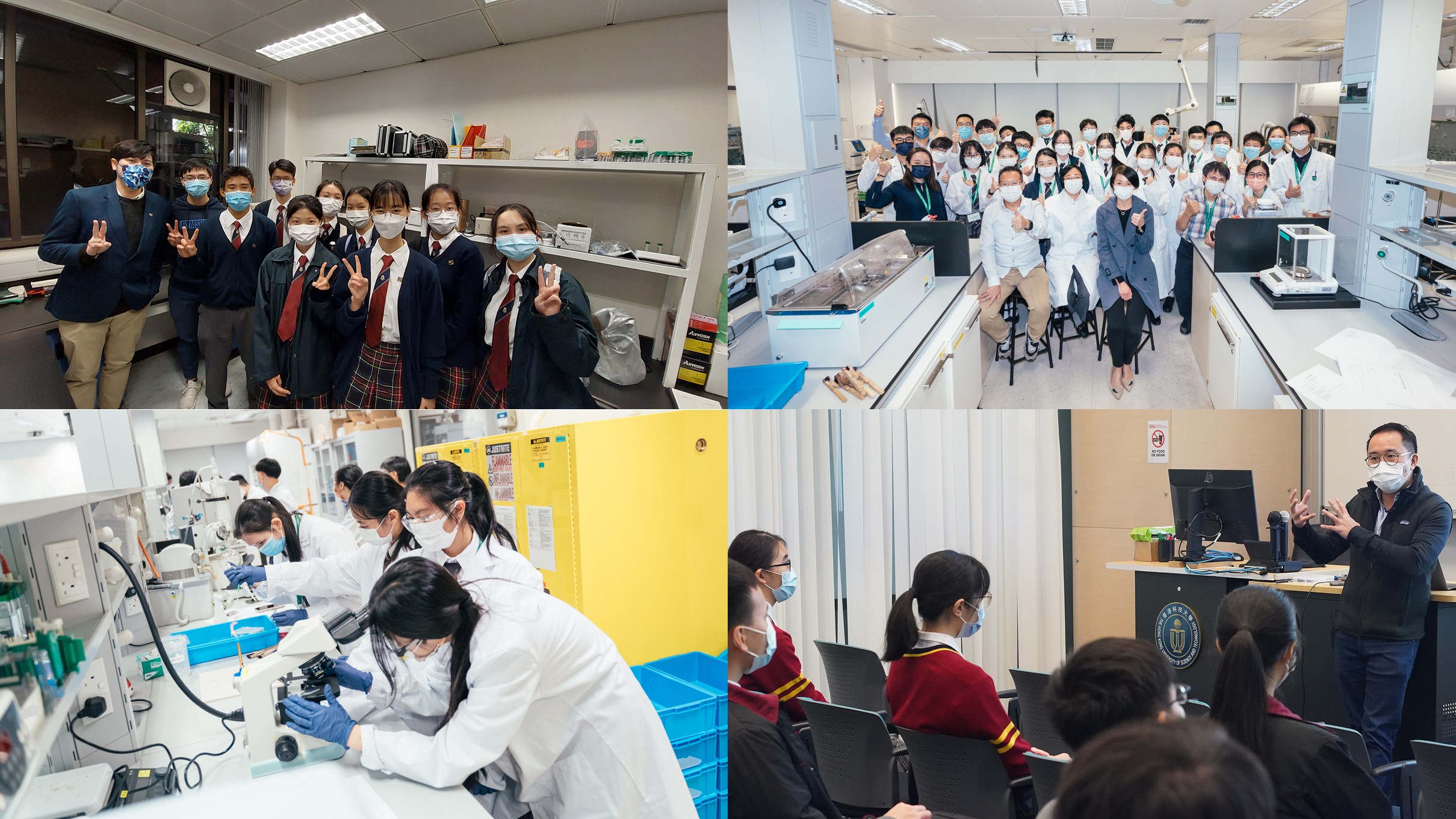
To continue our Prelude event, we will launch our next activity, “Exploring New Horizons”. We have started to liaise with local scientists / research teams in Hong Kong to arrange suitable laboratories and research facilities for visits. High school students will be invited to have a glimpse of the laboratories and engage in a dialogue with scientists / researchers, so that they can learn more about the latest research facilities in Hong Kong as well as laboratory setting and operation to spark their interest in scientific research. Further details on the event will be announced on our website.
Nobel Laureates in Physics – Professor Daniel Chee Tsui
Preamble
In the 12th issue (November 2021) and 14th issue (March 2022) of this newsletter, we featured two Nobel Laureates in Physics, Professor Yang Chen-Ning and Professor Charles Kao respectively, introducing their outstanding scientific achievements and their close relationship with Hong Kong over the years.
In this issue, we will introduce another Nobel Laureate in Physics – Professor Daniel Chee Tsui, who also has a long-standing relationship with Hong Kong, for his outstanding research in the electrical properties of thin films, microstructures of semiconductors and solid-state physics and his secondary school years in Hong Kong.
Professor Daniel Chee Tsui
“I tend to partition my life into three compartments: childhood years in a remote village in the province of Henan in central China, schooling years in Hong Kong, and the years since I came to attend college in the United States,” said Daniel Chee Tsui, the 1998 Nobel Laureate in Physics, in the autobiographical sketch published by the Nobel Foundation.
Childhood in a Remote Village
Daniel Chee Tsui was born on 28 February 1939 in the midst of the Sino-Japanese War, in Fan Village, a less developed area in Henan Province plagued by droughts, floods and war.
Like most of the villagers of the time, his parents were both illiterate and had never had the chance to learn how to read and write. Despite the multiple difficulties they faced in their drought-prone, war-torn village, his parents went to tremendous lengths to care for their children. “They suffered from their illiteracy, and their suffering made them determined not to have their children follow the same path at any and whatever cost to them,” said Tsui in his autobiographical sketch.
Tsui received his primary education in a local school and completed his primary school life at the age of ten. Since there was no middle school in the area, he could only drop out to help his parents with farm work until age 12. In early 1951, his parents made the tough decision to send him to Hong Kong for a better education, neither he nor they knew how far it truly was. Regrettably, he never had a chance to see his parents again after this move as they passed away in the 1950s and 1960s respectively.

Exploring the Brain Science of Decision Making
Should I go out today? Should I accept the job offer? Should I marry this person? Every day, we make decisions on trivial and important matters through our brain. The brain is the most energy-demanding organ of our body. We also have the most complex brain compared to other animals, especially in a region called the prefrontal cortex (approximately the front 30% of our brain). Having a complex brain allows us to make various types of decisions that are concrete or abstract, short-term or long-term, personal or interpersonal. Recently, neuroscientists, psychologists, economists, and computer scientists have started to work together in hopes to understand the biological basis underlying the mental processes of decision making. Unveiling these brain mechanisms will help us not only guide better decision making, but also shed light on how mental disorders with decision making impairments develop and persist.
There are many interesting cases that demonstrate the link between the brain and mental processes. One example is about a patient Henry Molaison (also known as HM). In 1953, he received a surgery to remove his hippocampus, a part of the brain with unclear functions in those days, to treat his severe epilepsy problem. Although his epilepsy was largely improved after the surgery, he acquired a new problem in that he was not able to form some kind of new memories. In the remaining 55 years of his life, unfortunately, he could only remember things that happened before his surgery in 1953. Another example is about a railroad worker Phineas Gage. On 13 September 1848, an accident happened that an iron rod penetrated his head from his cheek. This caused a large area of damage in the prefrontal cortex, a part of the brain that we will discuss extensively in the rest of this article. Surprisingly, Gage survived and remained intact in his intelligence. However, he then showed significant personality changes. For example, he used to have good interpersonal relationships, but after the accident his colleagues found him hard to comprehend and no longer trustworthy. These examples demonstrate the interrelationships between the brain and mental processes and inspire the development of contemporary neuroscience, including brain processes of decision making.
Author:
Dr Bolton K H Chau, Associate Professor, Department of Rehabilitation Sciences, The Hong Kong Polytechnic University
Mr Chun-Kit Law, Postdoctoral Fellow, Department of Rehabilitation Sciences, The Hong Kong Polytechnic University
Mr Jing Jun Wong, Postdoctoral Fellow, Department of Rehabilitation Sciences, The Hong Kong Polytechnic University
Astronomical Events during the Blazing Summer
Full moons are not uncommon occurrences. Yet how much do you know about these natural phenomena? Here we will delve into the two supermoons we just bore witness to. The strawberry full moon on 14 June and buck full moon on 14 July.
Full moons occur when the moon is opposite the Sun in its orbit around Earth. Its sunlit side is entirely visible from Earth. Such a position causes the moon to look full and round. Often, we see a white-yellow full moon, yet in rare occasions we can see reddish pink ones. They look reddish when it is rising or setting, because of haze in the atmosphere near the ground, which filters out all the light reflecting off the Moon save for the reddest wavelengths. The full moon is a time to be receptive, to take the light and awareness of spirit into your emotional and physical body.
In the span of a month, these two natural beauties came to us. Strawberry moon typically takes place on the last full moon of Spring or the first of Summer. It takes its name from the ripening of June-bearing strawberries that are ready to be harvested. It is emblematic of luck, love and prosperity. Have you had your stroke of luck in June? I bet you have! We may have been barred by the heavy rain on that day from witnessing the supermoon, nonetheless, a greater happening awaits.
Thirty days later, we came to be wowed by the yellow buck full moon. It takes its name from the fact that the antlers of male deer (bucks) are in full-growth mode at this time. Bucks shed and regrow their antlers each year, producing a larger and more impressive set as the years go by.
When closely observed, you will see that the buck moon is larger than the strawberry moon. In fact, this scene can be easily explained: The Moon’s orbit around Earth is not a perfect circle – instead, it is fairly elliptical – about 5.5% eccentricity. There is a fairly large difference between the perigee (when the Moon is at the closest point in its orbit) and apogee (when the Moon is at its farthest). As such, July’s Supermoon prevails over June’s Supermoon in size.
Another noteworthy astronomical phenomenon, the Parade of the Planets commences. The one-in-twenty-year event happens as Mercury, Venus, Mars, Jupiter and Saturn align. You could adore this awe-full spectacle even without a telescope. The planets extend from east to south across the sky. Such a parade is extremely rare. The next will likely come in 2040. Did you catch a glimpse of that planet parade this time around?
Back to square one, you would ask what a planet parade is. It is widely thought to be an astronomical event that takes place when planets line up in a row in the same area of the sky, as seen by observers from Earth. Nonetheless, it is necessary for people to remember that planets in the solar system do not orbit in the same plane. Thus, it is impossible to expect a perfectly straight line aligning the planets. Have you had your stroke of luck spotting these astronomy occurrences? We hope you have learnt more from this bi-month’s article. See you in September!
July 2022
James Leung
Diocesan Boys School Class of 2022Photo credit: Ivy Fang, Li Man (Selected photos from the HKLF Facebook’s supermoon campaign)


If you want to unsubscribe our newsletter, please
reply this e-mail directly.如欲取消訂閱本論壇電子通訊,請直接回覆此電郵。

-
newsletter (July 2022 – Issue 16)
關於香港桂冠論壇
歡迎大家來到香港桂冠論壇2022年7月份通訊。
香港桂冠論壇委員會很高興宣佈首屆香港桂冠論壇將於2023年11月13-18日假香港科學園舉行。論壇委員會秘書處已經就最新的舉辦日期陸續通知有關持份者,特別是邵逸夫獎得獎者和已於2月經評審後被揀選出的二百多位首屆論壇青年科學家。有關首屆論壇的最新消息,請留意我們的網站和 社交媒體。
在6月,我們舉辦了為期一週,名為「一日一影挑戰」的數碼攝影活動,旨在增加大眾與周圍環境的互動以及鼓勵他們更加留意日常生活中的科學元素。活動於6月27日完滿結束,我們一共收到近200張不同種類的相片,經過論壇委員會秘書處的評分後,選出了14位得獎者。此外,我們邀請了在社交媒體的一眾天文和攝影發燒友,於7月12-15日拍攝本年最大的超級月亮,被論壇委員會選出的兩張相片已在今期通訊內文章「盛夏觀天」刊登。
首屆香港桂冠論壇的前奏活動之一 – 「科學界女強人 – 激發下一代力量」已經於7月26日順利舉行,活動聚集了8位知名本地和國際女性科學家及研究人員作演講和擔任嘉賓主持,以線上線下的形式與我們分享她們追求科學的經歷。我們亦十分高興邀請到美國加州大學柏克萊分校馮又嫦教授,於百忙中抽空為我們預錄一節訪問,並於活動中播出。出席活動的各位女性科學家透過研討會和圓桌對談會,分享她們對女性在科研和科技領域面對的挑戰和機遇、對女性推進科學進步的見解以及她們如何管理和平衡事業與個人生活的經驗,並取得成果。相信近200位線上和現場的參加者在活動中獲益良多,特別是年輕女性,我們希望能夠激勵和裝備他們踏上科學研究之旅。
為延續論壇前奏活動,我們將推出新活動,「探索新視野」。我們已經開始和香港本地科學家/研究團隊聯絡,安排適合參觀的實驗室和科研設施,並將邀請香港高年級中學生參觀及與科學家和研究人員對談,讓他們更了解香港最新的科研設施和真正實驗室的運作,以提升他們對科研的興趣。相關活動的詳情會稍後於我們的網站公佈,請密切留意。
諾貝爾物理學獎得獎者—崔琦教授
前言
在本刊第12期(2021年11月)及第14期(2022年3月)的通訊中,我們分別介紹了楊振寧教授和高錕教授兩位諾貝爾物理學獎得獎者的卓越成就,他們倆與香港的密切關係,以及他們在香港的生活片段。
今期,我們將介紹另一位與香港淵源深厚的諾貝爾物理學獎得獎者—崔琦教授,談談他在薄膜的電氣特性、半導體微觀結構和固態物理方面的傑出貢獻,以及他在香港的中學生活。
崔琦教授
1998年諾貝爾物理學獎得獎者崔琦教授曾在諾貝爾基金會出版的自傳中提到 :「我傾向於將我的生活分為三個階段:在中國中部河南省一個偏遠村莊的童年時光、在香港的求學時段,以及來美國上大學後的歲月。」
在偏遠村莊的童年時光
1939年2月28日,崔琦於河南省一個名為范莊村的窮鄉僻壤出生。那年抗日戰爭尚未結束,范莊村飽受乾旱、洪水和戰爭的摧殘。
和當時大多數村民一樣,崔琦的父母目不識丁,從來沒有機會讀書識字。然而,即使在乾旱多發、烽火連天的艱苦日子裡,崔琦的父母仍竭盡全力照顧好孩子。崔琦在他的自傳中說 :「他們因文盲而受苦,他們的苦難使他們決心,即使付出一切代價,也不要讓孩子走上同樣的道路。」
崔琦在當地上小學,十歲畢業。由於附近沒有中學,他不得不輟學在家,幫父母幹農活,直到 12 歲。1951 年初,他的父母作了一個艱難的決定,就是把他送到香港,一個連他們都不知道有多遠的地方,接受更好的教育。遺憾的是,崔琦的父母在 1950 年代和 1960 年代相繼去世,自此一別,即成永訣。

研究決策的大腦
我今天要不要外出?我應該接受聘書嗎?我應該和這人結婚嗎?每天我們透過大腦就每一件瑣碎以至重要的事情做決定。大腦是人體能量需求最高的器官。與其他動物相比,人類的大腦也最為精密,特別是佔大腦前部分約30%的前額葉皮層。精密的大腦讓我們能夠做出各種具體或抽象的、短期或長期的、個人或社交的決定。最近,腦神經科學家、心理學家、經濟學家和電腦科學家開始合作,希望了解決策過程背後的生物學基礎。解開大腦機制之謎不僅能指引我們作出更佳決策,還可揭示因精神病引致的決策障礙是如何產生和持續。
過去有不少有趣的個案可以展示大腦與心理活動之間的聯繫。其中,病人亨利‧莫萊森(Henry Molaison,也稱為HM)患有嚴重腦癇問題,並於1953年接受了切除海馬體手術來治療,當時海馬體這個大腦部分的功能尚未被確定。雖然HM的腦癇在手術後大大改善,但卻出現了另一問題,他無法形成某些新記憶。很不幸,在他餘生的55年中,他只能記得起1953年手術前發生的事情。另一個例子關於鐵路工人費尼斯‧蓋吉(Phineas Gage)。在1848年9月13日的意外中, 一根鐵棒從他的臉頰穿透頭部,對前額葉皮層造成大面積損傷。前額葉皮層是大腦的部分,我們將於本文其餘部分討論。令人驚訝的是,蓋吉不僅能活下來,智力更是完好無缺,但是性格卻表現出顯著變化。例如,他以往人緣不俗,但發生意外後,同事都覺得他莫明其妙,而且不再值得信賴。這些例子證明大腦和心理活動之間的相互關係,並啟發了當代腦神經科學的發展,包括大腦決策過程的研究。
作者:
香港理工大學康復治療科學系副教授周嘉鴻博士
香港理工大學康復治療科學系博士後研究員羅俊傑先生
香港理工大學康復治療科學系博士後研究員王敬鈞先生
盛夏觀天
滿月並不稀奇,然而你對這種自然現象又有多少了解呢?本文通過介紹不久前看到的兩次超級月亮,即6月14日的草莓月和7月14日的雄鹿月,帶你賞月觀星,遨遊天際。
月亮繞着地球轉,當地球位於太陽和月亮之間時,我們舉頭就可以看到月球的整個受照面。月亮看來又大又圓,這就是滿月。滿月多是黃白色的,紅中帶粉則較為罕見。其實,圓月升起或落下時,看來月色偏紅,這是由於被月球反射過來的光穿過大氣層來到地球時,大部分的光會被近地面的霧氣過濾掉,只剩下紅光可以直穿而過。月到圓時要開放心靈,讓月亮的清輝和靈性的知覺滲透心身。
在短短一個月内,我們看到了兩次「圓」美月色。草莓月指春天最後一個滿月或夏天第一個滿月,那時正好是草莓成熟採收的季節,因以為名。草莓月代表幸運,戀愛以及豐盛富饒。今年六月,你有否受到幸運之神的眷顧呢?我猜有吧! 可惜當晚下起傾盆大雨,讓我們與超級月亮緣慳一面。 可幸的是,下一個非比尋常的滿月馬上就會到來。
草莓月後的三十天,我們迎來黃色的雄鹿月。雄鹿月這個獨特名稱源自雄鹿頭上一對發育成熟的犄角。雄鹿一年換一次角,脫落後重新長出來的角,一年比一年大,一年比一年壯觀。
如果仔細觀察,你會發現雄鹿月看來比草莓月大。這個現象很容易解答:月球繞行地球的軌道並不是完美的圓形而是橢圓形,軌道的偏心率大約為 5.5%。近地點(月球在其軌道上距離地球的最近點)和遠地點(月球距離地球的最遠點)差距頗大。因此,7月的超級月亮看起來比6月的大。
另一個值得注意的天文現象就是行星巡禮揭開序幕。有別於2020年的八星連珠,這次巡禮是20年一遇的水、金、火、木、土五星列隊。要觀察這次壯觀天象,用不着望遠鏡,單靠肉眼就能看見行星從東到南橫跨夜空。五星巡禮非常罕見,錯過了這次,就要在約20年後, 即2040年才能再遇。
話說回來,到底行星巡禮是什麽?行星巡禮一般指從地球仰望星空,看見行星在天幕的同一區域排成一列的天文現象。由於太陽系的行星並不是在同一平面上運行,因此不可能期望真的能看到行星在天空排成筆直的一條線。以上這些天文現象你是否有幸目睹?期望這篇小文讓你有所得着,我們9月再見。
2022年7月
梁絡維
拔萃男書院2022畢業班圖片來源︰Ivy Fang, Li Man (桂冠論壇Facebook超級月亮快閃遊戲得獎照片)
If you want to unsubscribe our newsletter, please
reply this e-mail directly.如欲取消訂閱本論壇電子通訊,請直接回覆此電郵。
-
newsletter (July 2022 – Issue 16)
关于香港桂冠论坛
欢迎大家来到香港桂冠论坛2022年7月份通讯。
香港桂冠论坛委员会很高兴宣布首届香港桂冠论坛将于2023年11月13-18日假香港科学园举行。论坛委员会秘书处已经就最新的举办日期陆续通知有关持份者,特别是邵逸夫奖得奖者和已于2月经评审后被拣选出的二百多位首届论坛青年科学家。有关首届论坛的最新消息,请留意我们的网站和 社交媒体。
在6月,我们举办了为期一周,名为「一日一影挑战」的数码摄影活动,旨在增加大众与周围环境的互动以及鼓励他们更加留意日常生活中的科学元素。活动于6月27日完满结束,我们一共收到近200张不同种类的相片,经过论坛委员会秘书处的评分后,选出了14位得奖者。此外,我们邀请了在社交媒体的一众天文和摄影发烧友,于7月12-15日拍摄本年最大的超级月亮,被论坛委员会选出的两张相片已在今期通讯内文章「盛夏观天」刊登。
首届香港桂冠论坛的前奏活动之一 – 「科学界女强人 – 激发下一代力量」已经于7月26日顺利举行,活动聚集了8位知名本地和国际女性科学家及研究人员作演讲和担任嘉宾主持,以线上线下的形式与我们分享她们追求科学的经历。我们亦十分高兴邀请到美国加州大学柏克莱分校冯又嫦教授,于百忙中抽空为我们预录一节访问,并于活动中播出。出席活动的各位女性科学家透过研讨会和圆桌对谈会,分享她们对女性在科研和科技领域面对的挑战和机遇、对女性推进科学进步的见解以及她们如何管理和平衡事业与个人生活的经验,并取得成果。相信近200位线上和现场的参加者在活动中获益良多,特别是年轻女性,我们希望能够激励和装备他们踏上科学研究之旅。
为延续论坛前奏活动,我们将推出新活动,「探索新视野」。我们已经开始和香港本地科学家/研究团队联络,安排适合参观的实验室和科研设施,并将邀请香港高年级中学生参观及与科学家和研究人员对谈,让他们更了解香港最新的科研设施和真正实验室的运作,以提升他们对科研的兴趣。相关活动的详情会稍后于我们的网站公布,请密切留意。
诺贝尔物理学奖得奖者—崔琦教授
前言
在本刊第12期(2021年11月)及第14期(2022年3月)的通讯中,我们分别介绍了杨振宁教授和高锟教授两位诺贝尔物理学奖得奖者的卓越成就,他们俩与香港的密切关系,以及他们在香港的生活片段。
今期,我们将介绍另一位与香港渊源深厚的诺贝尔物理学奖得奖者—崔琦教授,谈谈他在薄膜的电气特性、半导体微观结构和固态物理方面的杰出贡献,以及他在香港的中学生活。
崔琦教授
1998年诺贝尔物理学奖得奖者崔琦教授曾在诺贝尔基金会出版的自传中提到 :「我倾向于将我的生活分为三个阶段:在中国中部河南省一个偏远村庄的童年时光、在香港的求学时段,以及来美国上大学后的岁月。」
在偏远村庄的童年时光
1939年2月28日,崔琦于河南省一个名为范庄村的穷乡僻壤出生。那年抗日战争尚未结束,范庄村饱受干旱、洪水和战争的摧残。
和当时大多数村民一样,崔琦的父母目不识丁,从来没有机会读书识字。然而,即使在干旱多发、烽火连天的艰苦日子里,崔琦的父母仍竭尽全力照顾好孩子。崔琦在他的自传中说 :「他们因文盲而受苦,他们的苦难使他们决心,即使付出一切代价,也不要让孩子走上同样的道路。」
崔琦在当地上小学,十岁毕业。由于附近没有中学,他不得不辍学在家,帮父母干农活,直到 12 岁。1951 年初,他的父母作了一个艰难的决定,就是把他送到香港,一个连他们都不知道有多远的地方,接受更好的教育。遗憾的是,崔琦的父母在 1950 年代和 1960 年代相继去世,自此一别,即成永诀。
研究决策的大脑
我今天要不要外出?我应该接受聘书吗?我应该和这人结婚吗?每天我们透过大脑就每一件琐碎以至重要的事情做决定。大脑是人体能量需求最高的器官。与其他动物相比,人类的大脑也最为精密,特别是占大脑前部分约30%的前额叶皮层。精密的大脑让我们能够做出各种具体或抽象的、短期或长期的、个人或社交的决定。最近,脑神经科学家、心理学家、经济学家和电脑科学家开始合作,希望了解决策过程背后的生物学基础。解开大脑机制之谜不仅能指引我们作出更佳决策,还可揭示因精神病引致的决策障碍是如何产生和持续。
过去有不少有趣的个案可以展示大脑与心理活动之间的联系。其中,病人亨利‧莫莱森(Henry Molaison,也称为HM)患有严重脑痫问题,并于1953年接受了切除海马体手术来治疗,当时海马体这个大脑部分的功能尚未被确定。虽然HM的脑痫在手术后大大改善,但却出现了另一问题,他无法形成某些新记忆。很不幸,在他余生的55年中,他只能记得起1953年手术前发生的事情。另一个例子关于铁路工人费尼斯‧盖吉(Phineas Gage)。在1848年9月13日的意外中, 一根铁棒从他的脸颊穿透头部,对前额叶皮层造成大面积损伤。前额叶皮层是大脑的部分,我们将于本文其余部分讨论。令人惊讶的是,盖吉不仅能活下来,智力更是完好无缺,但是性格却表现出显著变化。例如,他以往人缘不俗,但发生意外后,同事都觉得他莫明其妙,而且不再值得信赖。这些例子证明大脑和心理活动之间的相互关系,并启发了当代脑神经科学的发展,包括大脑决策过程的研究。
作者:
香港理工大学康复治疗科学系副教授周嘉鸿博士
香港理工大学康复治疗科学系博士后研究员罗俊杰先生
香港理工大学康复治疗科学系博士后研究员王敬钧先生
盛夏观天
满月并不稀奇,然而你对这种自然现象又有多少了解呢?本文通过介绍不久前看到的两次超级月亮,即6月14日的草莓月和7月14日的雄鹿月,带你赏月观星,遨游天际。
月亮绕着地球转,当地球位于太阳和月亮之间时,我们举头就可以看到月球的整个受照面。月亮看来又大又圆,这就是满月。满月多是黄白色的,红中带粉则较为罕见。其实,圆月升起或落下时,看来月色偏红,这是由于被月球反射过来的光穿过大气层来到地球时,大部分的光会被近地面的雾气过滤掉,只剩下红光可以直穿而过。月到圆时要开放心灵,让月亮的清辉和灵性的知觉渗透心身。
在短短一个月内,我们看到了两次「圆」美月色。草莓月指春天最后一个满月或夏天第一个满月,那时正好是草莓成熟采收的季节,因以为名。草莓月代表幸运,恋爱以及丰盛富饶。今年六月,你有否受到幸运之神的眷顾呢?我猜有吧! 可惜当晚下起倾盆大雨,让我们与超级月亮缘悭一面。 可幸的是,下一个非比寻常的满月马上就会到来。
草莓月后的三十天,我们迎来黄色的雄鹿月。雄鹿月这个独特名称源自雄鹿头上一对发育成熟的犄角。雄鹿一年换一次角,脱落后重新长出来的角,一年比一年大,一年比一年壮观。
如果仔细观察,你会发现雄鹿月看来比草莓月大。这个现象很容易解答:月球绕行地球的轨道并不是完美的圆形而是椭圆形,轨道的偏心率大约为 5.5%。近地点(月球在其轨道上距离地球的最近点)和远地点(月球距离地球的最远点)差距颇大。因此,7月的超级月亮看起来比6月的大。
另一个值得注意的天文现象就是行星巡礼揭开序幕。有别于2020年的八星连珠,这次巡礼是20年一遇的水、金、火、木、土五星列队。要观察这次壮观天象,用不着望远镜,单靠肉眼就能看见行星从东到南横跨夜空。五星巡礼非常罕见,错过了这次,就要在约20年后, 即2040年才能再遇。
话说回来,到底行星巡礼是什么?行星巡礼一般指从地球仰望星空,看见行星在天幕的同一区域排成一列的天文现象。由于太阳系的行星并不是在同一平面上运行,因此不可能期望真的能看到行星在天空排成笔直的一条线。以上这些天文现象你是否有幸目睹?期望这篇小文让你有所得着,我们9月再见。
2022年7月
梁络维
拔萃男书院2022毕业班图片来源︰Ivy Fang, Li Man (桂冠论坛Facebook超级月亮快闪游戏得奖照片)
If you want to unsubscribe our newsletter, please
reply this e-mail directly.如欲取消訂閱本論壇電子通訊,請直接回覆此電郵。
-

newsletter (Sept 2022 – Issue 17)

About the Hong Kong Laureate Forum
Welcome to the September 2022 issue of the newsletter of the Hong Kong Laureate Forum!
Second chapter of our new series of the “Prelude to the Inaugural Hong Kong Laureate Forum”, Masterminds, Masterclasses 2.0 will be held on 9-11 September at The Hong Kong Federation of Youth Groups Headquarter. Through various programmes and activities, the three-day event aims to facilitate scientific and experience exchanges among world-renowned scientists, up-and-coming young academics and next generation of scientist from around the world, as well as to encourage youngsters to follow the path less traveled in science through dialogues and sharing with renowned speakers. Various programmes and activities include seminars, panel discussions, focus group, workshop, VR experience and more. Further details about the event and enrollment method will be announced on our website.
The annual InnoCarnival organised by the Innovation and Technology Commission is coming! InnoCarnival 2022 will be held on 22-30 October at Hong Kong Science Park. The HKLF will be one of the participating organisations among over 35 exhibition and game booths. This year, we will produce a moon-landing themed VR experience which takes participants to “board” a spacecraft and have a feel of landing on the moon, like an astronaut. There will be other games with exciting prizes awaiting participants at our booth too! In addition, we will broadcast a video series called “Call of Climate” to raise awareness and concern about climate change through the online seminar session of InnoCarnival. The HKLF will also continue to collaborate with the Consulate General of France in Hong Kong and Macau and showcase at our booth another VR experience. Come to our booth and don’t miss out these exciting programmes, visit InnoCarnival’s website for more details.
Besides organising and participating in public events, to further promote understanding and interests of the young generation in Hong Kong in various disciplines in science and technology, the HKLF will go into the community and meet with more secondary students. We are pleased to be collaborating with the Kowloon City District Secondary School Heads Association and will hold a science talk for secondary students in Kowloon City District on 24 November. We take this opportunity to thank the support from the Kowloon City District Secondary School Heads Association and local academics who have agreed to participate in the talk. They include Prof Reynold Cheng, Department of Computer Science, the University of Hong Kong, Prof Ming-chung Chu, Department of Physics, The Chinese University of Hong Kong and Dr Eric Sze, School of Science and Technology, Hong Kong Metropolitan University.
Online campaign “Science is Everywhere” was completed on 22 September and the results will be announced on 28 September. The campaign aims to raise public understanding of our behaviour in daily life and its causation to climate crisis, in the hope that we all will play a part in slowing down the speed of climate change. The HKLF would like to thank Xiaomi for sponsoring the prizes and the support of all participants. Stay tuned to our website, social media and the next newsletter for latest information on the Forum and other events!
Technological Challenges and Socio-ecological Impacts of Green Hydrogen Boom
As a colourless, odourless, and cleanly combustible gas, hydrogen has recently drawn a lot of attention from people around the world. Even Elon Musk, founder of Tesla, the world’s largest electric vehicle producer, has mentioned the properties of such a unique gas. In fact, the use of hydrogen as an energy carrier is not new. In 1671, Robert Boyle, an Irish chemist, first discovered the chemical reaction between iron filings and dilute acids that produced hydrogen gas. The most famous example of hydrogen application in history was Hindenburg, the hydrogen-powered airship that embarked on its maiden voyage on 4 March 1936 in Friedrichshafen, Germany, with 87 passengers and crews on board. Unfortunately, the revolutionary airship exploded and crashed when it attempted to land on 6 May of the following year.
Hydrogen has been regarded as a low-carbon energy carrier in recent years. In the process of combating climate change and transitioning to a low-carbon economy, governments and energy companies around the world, upon spotting the potential of hydrogen, have committed to explore the possibilities of utilising hydrogen fuel and launched related development strategies. Such policies have attracted the attention of lobbyists in the industry, investors and governments, who hoped that hydrogen can become an alternative to fossil fuels. In addition, hydrogen fuel can play a role in reducing carbon emissions in industries such as chemical engineering, steel manufacturing and long-distance transportation including lorries and shipping. Based on the above premise, many countries have made hydrogen fuel a core part of their energy strategies. While the International Renewable Energy Agency (IRENA) has estimated that hydrogen fuel could provide up to 12% of total global energy demand by 2050, the Hydrogen Council (the Council) further predicted that hydrogen could meet up to 18% of global energy demand and create a unique industry with a turnover of $2.5 trillion per year.
Through the process of national strategic planning, governments over the world are expanding the development of hydrogen fuel and reducing fossil fuel consumption. The report released by the Council suggested that more than 30 countries, including Mainland China, have published their roadmaps for hydrogen fuel production and also committed to the provision of a total of more than USD$70 billion in public spending on hydrogen fuel development. The Council also estimated that the total planned investment in hydrogen fueling projects could exceed US$300 billion by 2030. In fact, some investors who described green hydrogen as a powerful antidote for climate change have demanded huge subsidies and incentives from governments. They claimed that green hydrogen, together with renewable energy, will become “the world’s largest industry” in the future.
Author:
Mr Kevin Li, Researcher of the CarbonCare InnoLab
Size Does Matter: Open Your Eyes to See How Tiny Plastics Are Polluting Our Waters
Plastic Wastes in Hong Kong and the World
Like many other people living under the pandemic, Eric used to buy bottled beverages and take away with polystyrene containers and cutleries. What Eric and other people do not know is that we are creating lots of plastic wastes. According to the report of “Monitoring of Solid Waste in Hong Kong – Waste Statistics for 2020” published by the Hong Kong Environmental Protection Department, around 2,312 tonnes of plastic wastes were produced every day in Hong Kong (ranked 3rd and about 21% of the total municipal solid waste).
The earliest synthetic plastics such as polyvinyl chloride, polyethylene and polystyrene were marketed in 1930s as there was a shortage of natural rubber. Due to its relatively low cost and unique properties, the world production of plastics increased exponentially from 2 million tonnes in the 1950s to 270 million tonnes in 2010 and 350 million tonnes in 2017. Today we have become addicted to plastic products, especially those single-use plastics, including bags, food packaging, bottles, straws and stirrers, without thinking where these plastics would end up. Over 42% of plastics produced were utilised for packaging and would be disposed upon use. Only 9% of the plastic waste produced worldwide would be recycled, where the remaining would be treated as municipal solid waste. Approximately 60% of used plastic materials (equivalent to 275 million tonnes in 2010) were disposed of as waste and the amount exceeded the annual production rate.
Apart from landfill and incineration, plastic wastes were dumped to the surrounding habitat. A report from the World Economic Forum in 2016 estimated that each year, at least 8 million tonnes of plastic waste generated in coastal regions ends up in the oceans. Another survey by Eriksen et al. in 2014 by the use of surface net tows and a visual survey, which was estimated that a minimum of 5.25 trillion pieces of plastic fragments are floating on the ocean surface worldwide.
What Are Microplastics and Where Do They Come From
Among these plastic contaminants, plastic materials with sizes less than 5 mm were found to be significantly more abundant than larger pieces. In 2004, Richard Thompson, a marine ecologist at the University of Plymouth, started to describe plastic materials in marine sediments and water samples at such size as “microplastics”. In contrast to larger plastic materials, microplastics pose severe environmental impacts because they can be ingested and bioaccumulated. Regarding to the lower size limit for microplastics, different studies proposed different measurements ranging from nanometer scales up to 20 μm. It was not until a publication by Gigault et al. in 2018, where another terminology of “nanoplastics”, which is defined as “particles resulting from degradation of plastic objects” and “within size ranging from 1 nm to 1 μm” was proposed before a consensus to the lower size limit of microplastics was set at 1 μm.
Authors:
Dr Eric Tung-Po Sze, Associate Professor, School of Science and Technology, Hong Kong Metropolitan University
Dr Sidney Man-Ngai Chan, Assistant Professor, School of Science and Technology, Hong Kong Metropolitan University
Dr Hoi-Shing Lo, Postdoctoral Fellow, Department of Environmental Science, Stockholm University, Sweden
Mr Yuet-Tung Tse, Postgraduate Student, School of Science and Technology, Hong Kong Metropolitan University
Shuffle Playlist. Shuffle Playlist. Shuffle Playlist…
A coin comes up heads five times in a row. Two accidents happen on the same train line in one day. Or a shuffled playlist plays you the same artist three times running. Sometimes it seems like something other than coincidence is at work, but true randomness may not always feel that way to us.
Statistically Independent Events: The Coin Doesn’t Remember!
Let’s start with the coins. Many people expect a fair coin to alternate between heads and tails and will be surprised if the coin keeps coming up heads. When you first thought about it, you might have expected heads to come up half the time and tails half the time, so if heads have come up over half the time the coin should start landing on tails more often to compensate. This isn’t true, of course, because the coin can’t remember this! If you have a fair coin which has just landed on heads 99 times in a row, you can’t say that it’s more likely to land on tails next time because it’s a fair coin. Since each toss has no effect on the next, we say that they are statistically independent events.
If we toss a coin twice, and each toss has an equal chance of heads (H) or tails (T), there are four possible outcomes: HH, HT, TH, TT. Each outcome has the same chance (1/4) of happening, but the chances of one head and one tail in either order are 2/4 instead of 1/4. Three times, and we have eight possible outcomes: HHH, HHT, HTH, HTT, THH, TTH, THT, and TTT, each with 1/8 probability. In a series of ten tosses, the results HTHTHTHTHT and HHTHTTTTHT and TTTTTTTTTT all have the same chance of occurring – one in 210, or 1/1024 – but you’ll probably remember the last one and not the others. We read too much into patterns in a random sample, and we’re willing to jump to conclusions based on those patterns.
Author: Peace Foo, Student Editor, Science Focus, The Hong Kong University of Science and Technology
Design: Charley Lam, Graphic Designer, Science Focus, The Hong Kong University of Science and Technology
Translation: Daniel Lau, Managing Editor, Science Focus, The Hong Kong University of Science and Technology
If you want to unsubscribe our newsletter, please
reply this e-mail directly.如欲取消訂閱本論壇電子通訊,請直接回覆此電郵。
-
newsletter (Sept 2022 – Issue 17)
關於香港桂冠論壇
歡迎大家來到香港桂冠論壇2022年9月份通訊。
首屆香港桂冠論壇新一輪前奏活動系列的第二個活動「智者‧智講2.0」將於11月9-11日在香港青年協會總部舉行。為期三日的活動將透過各種不同類型的項目,促進世界知名科學家、新晉年輕學者和新一代科學家之間的學術和經驗交流,並透過與知名講者的對話和分享,鼓勵年輕一代選擇科學的道路。不同類型的項目包括研討會、交流會、焦點小組、工作坊和VR體驗等。有關活動的更多詳情和報名方法將會在我們的網站上公佈。
由創新科技署主辦一年一度的創新科技嘉年華又來了!創新科技嘉年華2022將於10月22-30日在香港科學園舉行。嘉年華設有超過35個實體展覽和攤位,香港桂冠論壇亦會參與其中。今年桂冠論壇製作了一個以登陸月球為主題的VR體驗,讓參加者「登上」太空船,感受太空人登陸月球的「體」驗。桂冠論壇的攤位還有不同的小遊戲和豐富獎品讓一眾參觀人士參與,我們亦會在網上的講座時段播放出一系列名為「氣候的呼喚」的短片,以科學的角度提升大家對氣候變化的認識和關注。除此之外,桂冠論壇亦將會繼續和法國駐港澳總領事館合作,在展覽中展出另一個VR體驗。大家屆時記得不要錯過機會,親臨我們的攤位體驗這些精彩的節目。更多有關創新科技嘉年華2022的資訊,可瀏覽相關的網站。
除了舉辦和參與一些公開活動外,為了進一步提升香港年輕一代對不同科學及科技領域的認識和興趣,香港桂冠論壇亦會走進社區,與更多的中學生接觸。我們很高興和九龍城區中學校長會合作,將於11月24日舉辦九龍城區中學聯校科學講座。我們十分感謝九龍城區中學校長會,以及答應出席講座的本地學者的支持,包括香港大學計算機科學系鄭振剛教授、香港中文大學物理系朱明中教授和香港都會大學科技學院史東甫博士。
另外,網上活動「周圍都係科學」剛於9月22日順利舉行,結果將於9月28日公佈。活動旨在讓大眾認識我們日常生活的行為和氣候危機的關係,希望大家能夠在各自崗位出一分力,放緩氣候變化的速度。桂冠論壇在此感謝小米贊助的獎品以及各位活動參加者的支持。更多有關論壇最新的消息和活動資訊,記得留意我們的網站、社交媒體和下一期通訊!
綠氫熱潮下的技術難題及社會和生態影響
氫,是一種無色、無味,可潔淨燃燒的氣體,近來卻引起了很多人的注意。連全球最大的電動車生產商特斯拉(Tesla)創辦人馬斯克(Elon Musk)都有提及。其實,氫作為一種能源載體,並不是現在才有人使用。1671年,愛爾蘭化學家羅拔·波義耳(Robert Boyle)首先發現鐵屑和稀釋酸之間發生化學反應,產生氫氣。而歷史上最著名的氫氣應用,莫過於1936年3月4日,氫氣推動的飛船興登堡號載著乘客及工作人員共87人於德國腓特烈港開始了它的首次航行。可是飛船在翌年5月6日嘗試降落時爆炸墜毀。
近年,氫已被視為一種低碳的能源載體。在應對氣候變化和低碳經濟轉型的過程中,世界各地政府和能源企業開始留意到氫的潛力,紛紛承諾氫燃料開發並推出發展策略,引起了行業遊說者、投資者和政府的注意,有望成為化石燃料的代替品。此外,氫燃料可以在化工、鋼鐵,以及重型卡車和航運等長途運輸等多個行業減少碳排放方面發揮作用。基於上述可行性,許多地方都將氫燃料作為其能源戰略的核心部分。國際可再生能源機構(IRENA)估計,到2050年,氫燃料可能提供高達全球總能源需求的12%,而氫燃料理事會(Hydrogen Council)估計,氫可滿足高達18%的全球能源需求,並創造一個每年2.5萬億美元的產業。
各地政府正在通過國家策略規劃的程序,擴大氫燃料的開發,減少化石燃料消耗。氫燃料理事會報告稱,已有30多個國家公佈了氫燃料路線圖,包括中國內地,他們亦已承諾為氫燃料開發提供合共超過700億美元的公共財政開支。氫燃料理事會還估計,到2030年,氫燃料項目的計劃總投資可能超過3,000億美元。有投資者甚至形容綠氫為應對氣候變化的靈丹妙藥,他們要求政府提供巨額補貼和鼓勵措施,還宣稱綠氫與可再生能源一起將成為『世界上最大的產業』。
作者︰
低碳想創坊研究員李育成先生
不容忽視的微小物質:看清現實,了解微塑膠如何污染我們的水域
香港及全球的塑膠廢物
與很多在疫情下生活的人一樣,Eric 曾經常常購買樽裝飲品,以及使用塑膠外賣盒和餐具。但他們卻不知道,原來大家都正在不斷製造大量塑膠廢物。根據香港環境保護署公佈的「香港固體廢物監察報告 — 2020年的統計數字」顯示,香港每天產生的塑膠廢物量大約為 2,312 公噸(在都市固體廢物中排名第三,約佔總重量的21%)。
因應當時天然橡膠短缺,聚氯乙烯、聚乙烯和聚苯乙烯等最早期的合成塑膠早於 1930 年代推出市場。由於這些合成塑膠的成本相對較低,並且具備獨有的特性,因此全球塑膠的生產量從 1950 年代的 200 萬公噸,以幾何級數地增加到 2010 年的 2.7 億公噸,及至 2017 年的 3.5 億公噸。今天,我們的生活已經離不開塑膠產品,特別是膠袋、食品包裝、膠樽、飲管和攪拌棒等用完即棄的塑膠製品,但卻沒有考慮過這些塑膠廢物的最終下場。事實上,超過 42% 所生產的塑膠用作包裝用途,於使用後隨即被丟棄。而在世界各地產生的塑膠廢物中,只有 9% 會被回收,其餘均以都市固體廢物的方式處置。另外,約 60% 的老舊塑膠物料(在 2010 年達到 2.75 億公噸)被視為廢物棄置,數量已超過每年的生產速度。
除了堆填區和焚化爐外,人類亦會將塑膠廢物棄置於鄰近的棲息地。根據世界經濟論壇在 2016 年的一份報告估計,每年沿海地區最少有800 萬公噸塑膠廢物被丟棄至大海裡。由 Eriksen 等人在 2014 年透過表面網拖和目視調查,估計目前最少有 5.25 萬億塊塑膠碎片在全球海面上漂浮。
什麼是微塑膠,它們從哪裡來
在這些塑膠污染物中,我們發現一些小於 5 毫米的塑膠物質,數量上比較大型的塑膠廢物明顯較多。普利茅斯大學的海洋生態學家 Richard Thompson,於2004 年率先將海洋沉積物和水樣本中所發現如此大小的塑膠物質稱為「微塑膠」。與較大型的塑膠物質相比,微塑膠較容易能被生物攝入並積聚於體內,因此會對環境造成更嚴重的影響。對於微塑膠的下限大小,不同的研究提出了從納米到 20 微米等各種尺寸範圍。直至 2018 年,在 Gigault 等人所發表的一篇文章中提出了「納米塑膠」這一個術語,並將其定義為「因塑膠物質降解而產生的顆粒」和「尺寸範圍介乎 1 納米到 1 微米之間」,因而令微塑膠的尺寸下限有共識地設定為 1 微米。
作者︰
香港都會大學科技學院副教授史東甫博士
香港都會大學科技學院助理教授陳文藝博士
瑞典斯德哥爾摩大學環境科學學系後博士研究員盧凱誠博士
香港都會大學科技學院研究生謝悅童先生
這個隨機播放清單……不太隨機!
一枚硬幣連續擲出五次正面,同一條路線的列車在同一天發生了兩宗意外,或是隨機播放清單連續給你三首由相同歌手演唱的歌曲。這似乎並不是巧合,但真正的隨機也許未如我們想像中的那樣。
統計上獨立的事件:硬幣並沒有記性!
讓我們先從硬幣說起。擲一枚公平的硬幣(fair coin)時,很多人會預期正面和反面朝上的結果會交替出現,連續擲出正面大概會使我們目瞪口呆。在沒有細想之下,你可能也會估計正面和反面出現的次數會各佔一半,所以如果正面出現的比例多於一半時,反面應該就將會出現得更頻密來補償之前不均的結果 — 當然,這個想法是錯誤的,因為硬幣並不會記得先前的結果!如果你有一枚公平的硬幣,它連續擲出了99次正面朝上的結果,你不能說下次會有較大機會擲出反面,因為它畢竟是一枚公平的硬幣。由於每次拋擲對下次結果都沒有影響,我們稱這些為統計上獨立的事件。
如果我們擲兩次硬幣,每次正面或反面朝上的機會均等,以下是四個可能的結果:正正、正反、反正和反反。每個結果發生的機會都相同(1/4),但以任何次序出現一正一反的機率為2/4而不是1/4。擲三次的話會有八種可能:正正正、正正反、正反正、正反反、反正正、反反正、反正反和反反反,每種可能的機率均為1/8。一連擲十次的話,正反正反正反正反正反、正正反正反反反反正反和反反反反反反反反反反三者的機率都一樣,均為1/210或1/1024,可是會令你留下深刻印象的肯定是最後一個組合而不是其他。我們太著迷於從隨機產生的結果中找規律,並會就此輕率地下結論。
作者︰香港科技大學《科言》學生編輯胡適之
設計︰香港科技大學《科言》學生設計師林曉薏
翻譯︰香港科技大學《科言》總編輯劉劭行
If you want to unsubscribe our newsletter, please
reply this e-mail directly.如欲取消訂閱本論壇電子通訊,請直接回覆此電郵。
-
newsletter (Sept 2022 – Issue 17)
关于香港桂冠论坛
欢迎大家来到香港桂冠论坛2022年9月份通讯。
首届香港桂冠论坛新一轮前奏活动系列的第二个活动「智者‧智讲2.0」将于11月9-11日在香港青年协会总部举行。为期三日的活动将透过各种不同类型的项目,促进世界知名科学家、新晋年轻学者和新一代科学家之间的学术和经验交流,并透过与知名讲者的对话和分享,鼓励年轻一代选择科学的道路。不同类型的项目包括研讨会、交流会、焦点小组、工作坊和VR体验等。有关活动的更多详情和报名方法将会在我们的网站上公布。
由创新科技署主办一年一度的创新科技嘉年华又来了!创新科技嘉年华2022将于10月22-30日在香港科学园举行。嘉年华设有超过35个实体展览和摊位,香港桂冠论坛亦会参与其中。今年桂冠论坛制作了一个以登陆月球为主题的VR体验,让参加者「登上」太空船,感受太空人登陆月球的「体」验。桂冠论坛的摊位还有不同的小游戏和丰富奖品让一众参观人士参与,我们亦会在网上的讲座时段播放出一系列名为「气候的呼唤」的短片,以科学的角度提升大家对气候变化的认识和关注。除此之外,桂冠论坛亦将会继续和法国驻港澳总领事馆合作,在展览中展出另一个VR体验。大家届时记得不要错过机会,亲临我们的摊位体验这些精彩的节目。更多有关创新科技嘉年华2022的资讯,可浏览相关的网站。
除了举办和参与一些公开活动外,为了进一步提升香港年轻一代对不同科学及科技领域的认识和兴趣,香港桂冠论坛亦会走进社区,与更多的中学生接触。我们很高兴和九龙城区中学校长会合作,将于11月24日举办九龙城区中学联校科学讲座。我们十分感谢九龙城区中学校长会,以及答应出席讲座的本地学者的支持,包括香港大学计算机科学系郑振刚教授、香港中文大学物理系朱明中教授和香港都会大学科技学院史东甫博士。
另外,网上活动「周围都系科学」刚于9月22日顺利举行,结果将于9月28日公布。活动旨在让大众认识我们日常生活的行为和气候危机的关系,希望大家能够在各自岗位出一分力,放缓气候变化的速度。桂冠论坛在此感谢小米赞助的奖品以及各位活动参加者的支持。更多有关论坛最新的消息和活动资讯,记得留意我们的网站、社交媒体和下一期通讯!
绿氢热潮下的技术难题及社会和生态影响
氢,是一种无色、无味,可洁净燃烧的气体,近来却引起了很多人的注意。连全球最大的电动车生产商特斯拉(Tesla)创办人马斯克(Elon Musk)都有提及。其实,氢作为一种能源载体,并不是现在才有人使用。1671年,爱尔兰化学家罗拔·波义耳(Robert Boyle)首先发现铁屑和稀释酸之间发生化学反应,产生氢气。而历史上最著名的氢气应用,莫过于1936年3月4日,氢气推动的飞船兴登堡号载著乘客及工作人员共87人于德国腓特烈港开始了它的首次航行。可是飞船在翌年5月6日尝试降落时爆炸坠毁。
近年,氢已被视为一种低碳的能源载体。在应对气候变化和低碳经济转型的过程中,世界各地政府和能源企业开始留意到氢的潜力,纷纷承诺氢燃料开发并推出发展策略,引起了行业游说者、投资者和政府的注意,有望成为化石燃料的代替品。此外,氢燃料可以在化工、钢铁,以及重型卡车和航运等长途运输等多个行业减少碳排放方面发挥作用。基于上述可行性,许多地方都将氢燃料作为其能源战略的核心部分。国际可再生能源机构(IRENA)估计,到2050年,氢燃料可能提供高达全球总能源需求的12%,而氢燃料理事会(Hydrogen Council)估计,氢可满足高达18%的全球能源需求,并创造一个每年2.5万亿美元的产业。
各地政府正在通过国家策略规划的程序,扩大氢燃料的开发,减少化石燃料消耗。氢燃料理事会报告称,已有30多个国家公布了氢燃料路线图,包括中国内地,他们亦已承诺为氢燃料开发提供合共超过700亿美元的公共财政开支。氢燃料理事会还估计,到2030年,氢燃料项目的计划总投资可能超过3,000亿美元。有投资者甚至形容绿氢为应对气候变化的灵丹妙药,他们要求政府提供巨额补贴和鼓励措施,还宣称绿氢与可再生能源一起将成为『世界上最大的产业』。
作者︰
低碳想创坊研究员李育成先生
不容忽视的微小物质:看清现实,了解微塑胶如何污染我们的水域
香港及全球的塑胶废物
与很多在疫情下生活的人一样,Eric 曾经常常购买樽装饮品,以及使用塑胶外卖盒和餐具。但他们却不知道,原来大家都正在不断制造大量塑胶废物。根据香港环境保护署公布的「香港固体废物监察报告 — 2020年的统计数字」显示,香港每天产生的塑胶废物量大约为 2,312 公吨(在都市固体废物中排名第三,约占总重量的21%)。
因应当时天然橡胶短缺,聚氯乙烯、聚乙烯和聚苯乙烯等最早期的合成塑胶早于 1930 年代推出市场。由于这些合成塑胶的成本相对较低,并且具备独有的特性,因此全球塑胶的生产量从 1950 年代的 200 万公吨,以几何级数地增加到 2010 年的 2.7 亿公吨,及至 2017 年的 3.5 亿公吨。今天,我们的生活已经离不开塑胶产品,特别是胶袋、食品包装、胶樽、饮管和搅拌棒等用完即弃的塑胶制品,但却没有考虑过这些塑胶废物的最终下场。事实上,超过 42% 所生产的塑胶用作包装用途,于使用后随即被丢弃。而在世界各地产生的塑胶废物中,只有 9% 会被回收,其余均以都市固体废物的方式处置。另外,约 60% 的老旧塑胶物料(在 2010 年达到 2.75 亿公吨)被视为废物弃置,数量已超过每年的生产速度。
除了堆填区和焚化炉外,人类亦会将塑胶废物弃置于邻近的栖息地。根据世界经济论坛在 2016 年的一份报告估计,每年沿海地区最少有800 万公吨塑胶废物被丢弃至大海里。由 Eriksen 等人在 2014 年透过表面网拖和目视调查,估计目前最少有 5.25 万亿块塑胶碎片在全球海面上漂浮。
什么是微塑胶,它们从哪里来
在这些塑胶污染物中,我们发现一些小于 5 毫米的塑胶物质,数量上比较大型的塑胶废物明显较多。普利茅斯大学的海洋生态学家 Richard Thompson,于2004 年率先将海洋沉积物和水样本中所发现如此大小的塑胶物质称为「微塑胶」。与较大型的塑胶物质相比,微塑胶较容易能被生物摄入并积聚于体内,因此会对环境造成更严重的影响。对于微塑胶的下限大小,不同的研究提出了从纳米到 20 微米等各种尺寸范围。直至 2018 年,在 Gigault 等人所发表的一篇文章中提出了「纳米塑胶」这一个术语,并将其定义为「因塑胶物质降解而产生的颗粒」和「尺寸范围介乎 1 纳米到 1 微米之间」,因而令微塑胶的尺寸下限有共识地设定为 1 微米。
作者︰
香港都会大学科技学院副教授史东甫博士
香港都会大学科技学院助理教授陈文艺博士
瑞典斯德哥尔摩大学环境科学学系后博士研究员卢凯诚博士
香港都会大学科技学院研究生谢悦童先生
这个随机播放清单……不太随机!
一枚硬币连续掷出五次正面,同一条路线的列车在同一天发生了两宗意外,或是随机播放清单连续给你三首由相同歌手演唱的歌曲。这似乎并不是巧合,但真正的随机也许未如我们想像中的那样。
统计上独立的事件:硬币并没有记性!
让我们先从硬币说起。掷一枚公平的硬币(fair coin)时,很多人会预期正面和反面朝上的结果会交替出现,连续掷出正面大概会使我们目瞪口呆。在没有细想之下,你可能也会估计正面和反面出现的次数会各占一半,所以如果正面出现的比例多于一半时,反面应该就将会出现得更频密来补偿之前不均的结果 — 当然,这个想法是错误的,因为硬币并不会记得先前的结果!如果你有一枚公平的硬币,它连续掷出了99次正面朝上的结果,你不能说下次会有较大机会掷出反面,因为它毕竟是一枚公平的硬币。由于每次抛掷对下次结果都没有影响,我们称这些为统计上独立的事件。
如果我们掷两次硬币,每次正面或反面朝上的机会均等,以下是四个可能的结果:正正、正反、反正和反反。每个结果发生的机会都相同(1/4),但以任何次序出现一正一反的机率为2/4而不是1/4。掷三次的话会有八种可能:正正正、正正反、正反正、正反反、反正正、反反正、反正反和反反反,每种可能的机率均为1/8。一连掷十次的话,正反正反正反正反正反、正正反正反反反反正反和反反反反反反反反反反三者的机率都一样,均为1/210或1/1024,可是会令你留下深刻印象的肯定是最后一个组合而不是其他。我们太著迷于从随机产生的结果中找规律,并会就此轻率地下结论。
作者︰香港科技大学《科言》学生编辑胡适之
设计︰香港科技大学《科言》学生设计师林晓薏
翻译︰香港科技大学《科言》总编辑刘劭行
If you want to unsubscribe our newsletter, please
reply this e-mail directly.如欲取消訂閱本論壇電子通訊,請直接回覆此電郵。
-

newsletter (Nov 2022 – Issue 18)

About the Hong Kong Laureate Forum
Welcome to the November 2022 issue of the newsletter of the Hong Kong Laureate Forum!
The Inaugural Hong Kong Laureate Forum will be held on 13-18 November 2023. The previous young scientist recruitment campaign of the Forum was a resounding success and received more than 450 valid applications. In order to strengthen the cross-disciplinary exchange during the Forum, we are now conducting a targeted recruitment campaign for young scientists in specific areas. The recruitment exercise will close on 18 December 2022. If you are interested to have brilliant and intellectual exchange with renowned scientists (including The Shaw Prize winners) and other young scientists from all over the world, click HERE now to learn more about the Forum and application details.
Second chapter of our new series of the “Prelude to the Inaugural Hong Kong Laureate Forum”, Masterminds, Masterclasses 2.0 (MM2.0) was successfully held on 9-11 September at The Hong Kong Federation of Youth Groups Headquarters. The three-day event gathered over 20 renowned scientists and experts in the field from different parts of the world as speakers for seminars and trending topic session or as guest hosts for the sharing sessions. Prof Sun Dong, JP, Secretary for Innovation, Technology and Industry also took his precious time out to attend the Grand Launching Ceremony to kick off the event. Besides Astronomy, Life Science and Medicine, and Mathematical Sciences, we also have the multi-discipline trending topic – Climate Emergency. During the event, scientists and experts shared not only their science journey, but also gave their words of wisdom on pursuing science and changing the world. Those words are, no doubt, inspirational and thought-provoking.
Dr Sunny Chai Ngai Chiu, BBS, JP, Chairman, Hong Kong Science and Technology Parks Corporation, Prof Chan Wai-yee, Vice-President (Strategic Developments), The Chinese University of Hong Kong, Principal Wan Ka Kit, Executive Committee Member, Hong Kong Association of Heads of Secondary Schools, and Prof Wong Wing-tak, Deputy President and Provost & Chair Professor of Chemical Technology, The Hong Kong Polytechnic University each chose a word as the key to pursuing scientific research at the panel discussion session on the first day of event, those were “Commitment”, “Curiosity”, “Enjoy” and “Thinking”.
At the online dialogue in the evening of the same day, Prof Simon White, 2017 Shaw Laureate in Astronomy concluded the session and said, “Do things you find exciting, be open-minded. If you only trust the thing you see, that’s all, (then there will be) no new ideas.”
“We only have one Earth to live, each of us has the responsibility, and hope to keep it alive to sustain our future generation.” Prof Amos Tai, Associate Professor & Director, Earth System Science Programme, The Chinese University of Hong Kong said in his concluding remarks at the closing of the trending topic session on Climate Emergency.
MM2.0 attracted well over 400 online and offline fellow scientists, young scientists and students who are passionate about science, we are sure that they all learned a lot from the event.
Moreover, the annual InnoCarnival organised by the Innovation and Technology Commission was held on 22-30 October at Hong Kong Science Park. The two virtual reality (VR) experiences, demonstration of auto-balancing robotic machine and games with exciting prizes attracted near 6,000 participations. Prof Sun Dong, JP, Secretary for Innovation, Technology and Industry, and Ms Christile Drulhe, Consul General of France in Hong Kong and Macau toured our booth and tried the VR experiences. We are grateful to join hands with the Consulate General of France in Hong Kong and Macau again this year to present one of the two unique VR experiences at our booth in the said event. The icing on the cake was that our booth came second in the “My Favorite Booth” public polling!
On 24 November, the HKLF and the Kowloon City District Secondary School Heads Association invited three local academics at a gathering in the Scientia Secondary School to host a science talk for secondary students in the Kowloon City District. More than 400 school principals, teachers and secondary students participated in the talk and they all gained a lot from the scientists’ sharing. We will continue to engage Secondary School Heads Association of different district and hold similar talk to further promote understanding and interests of the young generation in Hong Kong in various disciplines in science and technology.
In addition to the above events, the HKLF has collaborated with Invest Hong Kong to produce a promotional video to attract scientific research and technology talents to develop their careers in Hong Kong. The video has been released on websites and social media of the HKLF and Invest Hong Kong. If you want to learn more about the Hong Kong advantage on this front, then don’t miss out!
After a series of in-person events and promotion, the HKLF will organise an online campaign via our social media platform in December. So, stay tuned to our website, social media and the next newsletter on future happening!
COP 27 – A Mixed Bag of Results
With the two-week COP27 drew to a close on 20 November 2022, commentators have begun to weigh up the loss and gain from the summit.
The biggest achievement of COP27 has to be the creation of the “loss and damage” fund. Hailed as a victory for countries most affected by climate crisis, the agreement to help them to deal with loss and damage was a real breakthrough. The deal is seen as a triumph for developing and small island countries after years of unsuccessful attempts to put the topic in the COP agenda.
Whilst the commitment to limit global temperature rise to 1.5 degree Celsius above pre-industrial levels remained, many pundits lamented on the lack of progress on the pledge to reach the peak of global emissions by 2025 or to phase down all fossil fuels in the final summit text.
For details on COP27, please refer to the United Nations Framework Convention on Climate Change website.
As delegates started leaving Sharm el-Sheikh, some no doubt in private jets, the debate on whether it is defensible for a climate conference to produce a huge carbon footprint for the gathering (an estimated 102,500 tonnes of CO2 equivalent was recorded for COP26) and with the presence of over 600 fossil fuel representatives who might not have reduction in emissions as their priority, will no doubt rage on. But more importantly, we cannot lose sight on the task the conference was set out to do, that is, to bring about changes needed to forestall climate disaster. Let’s hope that COP28 will see more progress and actions on that front!
November 2022
The Science of Ketchup: From Physics to Microbiology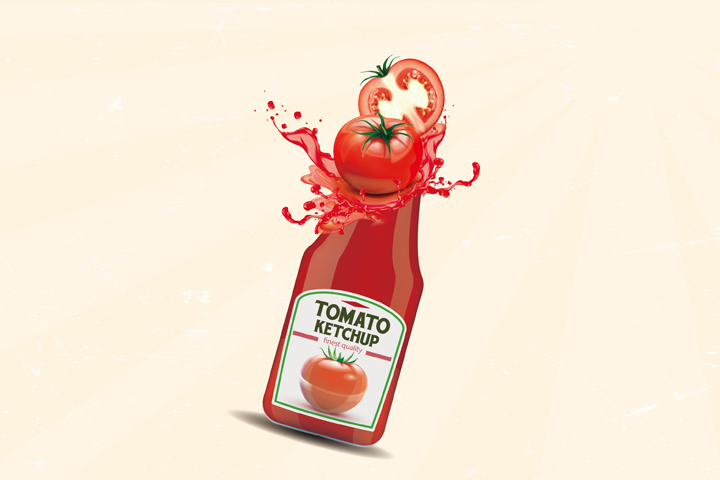
Ketchup can be a struggle to work with. You may have seen the following when a ketchup bottle is taken out of the fridge. Try and fail to tip the ketchup out. Smack the bottle hard, many times, and wait even longer, and suddenly all the ketchup splashes out at once and you end up with much more than you need. Ketchup is a very versatile condiment – it goes well with all kinds of food – so everyone who uses it may have similar experience repeatedly. But why does this keep happening? And why does it happen with ketchup specifically?
Ketchup as a Fluid with Variable Viscosity
When we want the ketchup to be runny, it comes out of the fridge frozen and cold and decidedly not runny. At this point it may be described in physics terms as viscous, or difficult to flow. Rather than waiting for it to thaw, most people will hit the bottom of the ketchup bottle sharply. Based on Newton’s Law of viscosity, a fluid flows at a speed in proportion to the force applied. However, ketchup has the property of thixotropy. It means that the extent to which ketchup becomes less viscous, or runnier, is disproportional to the applied force. Therefore, ketchup is also referred to as a non-Newtonian fluid.
Why is ketchup like this? In viscous fluids, molecules are unable to move freely, due to the attractive forces between them or because larger molecules act as physical barriers. In the case of ketchup, 95% of which is made of small molecules like water, vinegar (ethanoic acid) and salts, but ketchup is thixotropic because of the precise nature of that other 5%.
Author: Peace Foo, Student Editor, Science Focus, The Hong Kong University of Science and Technology
Design: Charley Lam, Graphic Designer, Science Focus, The Hong Kong University of Science and Technology
Translation: Daniel Lau, Managing Editor, Science Focus, The Hong Kong University of Science and Technology
Another Take to Combat COVID – Orally Intake Pills and Vaccines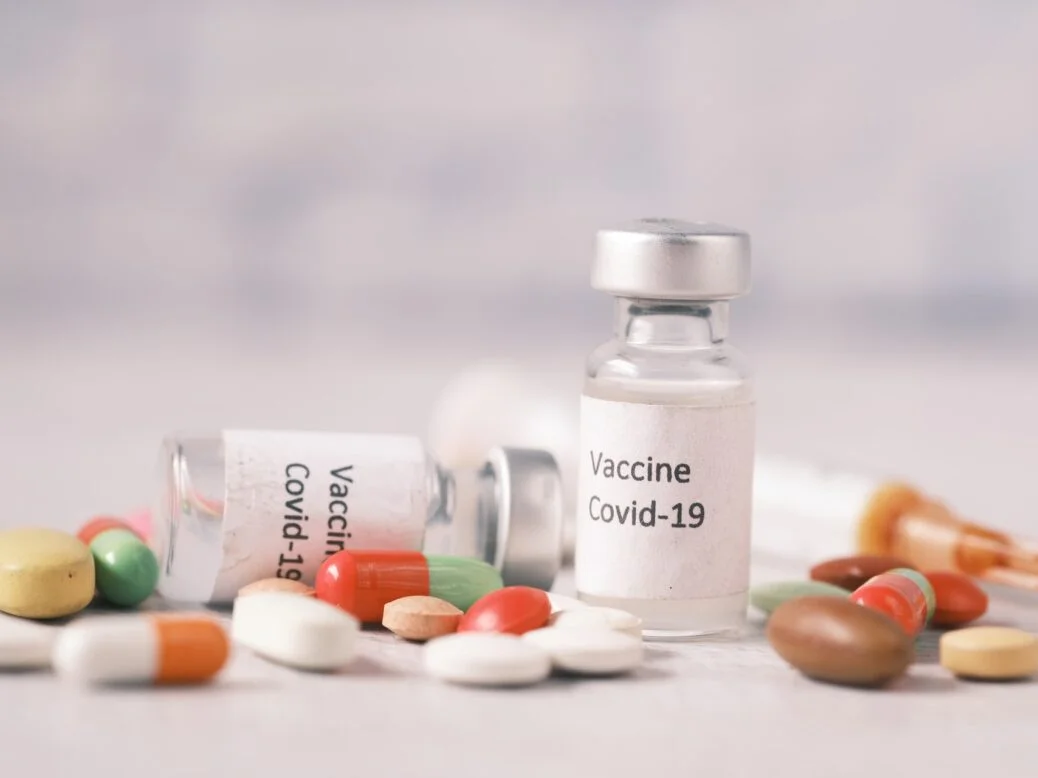
There is a general belief that injections are better than oral intake pills as it gets drugs into the bloodstream through direct injection into the veins. The body can thereby better absorb and assimilate the drug. We therefore see many medications introduced by forms of injection. This includes but is not limited to insulins injections, chicken pox and measles vaccines, and of late, the COVID-19 vaccines. However, there is a concerning number of patients worldwide who have contracted diseases even after vaccination. It was, therefore, necessary to develop medications for treatment of those diseases. With the advancement of more potent agents to deliver oral drugs to enhance their absorption and efficacy, on top of the advantages of non-invasiveness and simple administration, in both preventing and treating diseases, pharmaceutical companies have come to develop oral pills to combat the novel and ever-mutating COVID-19 virus. In this article, we will delve into the topic of oral-intake pills and vaccines in our battle against COVID-19.
Globally, there are many oral covid antiviral medications like Merck’s Molnupiravir, Pfizer’s Paxlovid, GSK’s Sotrovimab to name but a few. Such oral antivirals are prescribed for patients after they have contracted the virus. These antivirals work to keep the SARS-Cov-2 virus from replicating properly — thereby reducing viral load, which can help reduce severity of symptoms. There are also a few oral intake vaccines worldwide, including Oravax’s vaccine and Vaxart’s vaccine, both are still in development and testing stage. The downside of injection vaccines is that the time required to gain immunity after a vaccine can be up to 21-28 days, and some of the other vaccines in development require multiple doses before sufficient immunity may develop. In contrast, one oral tablet vaccine, which induced antibodies in the airways, seems to resolve the above issue.
Locally, the Hong Kong Government has introduced both Molnupiravir and Paxlovid. The current guidelines for these oral antivirals in Hong Kong are for use by those aged 60 or above, vaccinated or not. For those who are under 60 years of age, and who are at high risk of medical illness, and for those who are suffering from chronic illnesses, if they have symptoms of COVID-19 within 5 days, seek medical attention, and with no contraindications to antiviral drugs, all of these patients will be included and can be prescribed with antivirals. It is best for these susceptible groups to take these medications as soon as they have contracted the disease. The government has also commenced distributing such oral antivirals to private clinics for more efficient medication distribution that enables broader treatment of COVID-19. Nonetheless, there are restrictions to drug prescription. Merck’s drug is not suitable for pregnant, breastfeeding women, as well as children below 18, as it affects fetal development, bone and cartilage growth; while Pfizer’s drug is not suitable for people with very weak kidney or liver functions, as the levels of the drug may become too high and cause increased side effects.
Oral antivirals, as its limitations and benefits stand, could come to be the game changer in combating the lethal COVID-19 virus. It is often seen in society that even vaccinated individuals would come to contract the virus and / or its derivatives / mutations. This signals that vaccination can only take up part of the job and there is a void to fill in the role of treating the disease. Oral antivirals are sufficed to take up such a mantel and play a pivotal role in humanity’s struggle against deadly strains of coronavirus. In a study conducted by the Israel Clalit Health Services, Nirmatrelvir (ingredient in Paxlovid) therapy was associated with a 67% reduction in COVID-19 hospitalisations and an 81% reduction in COVID-19 mortality in patients 65 years and above. These data all point to one truth: that COVID-19 oral antivirals can significantly benefit us and reduce the severity of disease upon contraction. It is understandable how orally intake pills can come to relieve the COVID-19 plight. Coronavirus has blighted the world for a lengthy period, it is high time governments speed up the introduction of such drugs for the betterment of humanity.
James Leung, Year 1, The University of Hong Kong
November 2022
If you want to unsubscribe our newsletter, please
reply this e-mail directly.如欲取消訂閱本論壇電子通訊,請直接回覆此電郵。
-
newsletter (Nov 2022 – Issue 18)
關於香港桂冠論壇
歡迎大家來到香港桂冠論壇2022年11月份通訊。
首屆香港桂冠論壇將於2023年11月13至18日舉行。於較早前舉行的報名活動,我們獲得踴躍回應,收到超過450份有效申請。為了加強論壇上的跨學科交流,我們現正舉行指定科學範疇的青年科學家招募活動,截止日期為12月18日。如你有意與包括榮獲邵逸夫獎的殿堂級科學家及來自世界各地的青年科學家作學術交流,請即按此閱讀更多有關香港桂冠論壇和相關申請資料。
而首屆香港桂冠論壇新一輪前奏活動系列的第二個活動「智者‧智講2.0」已經於11月9-11日在香港青年協會總部順利舉行。為期三日的活動匯聚了超過20位來自不同地域的知名科學家和學者,分別擔任研討會的演講者以及分享環節的嘉賓主持。創新科技及工業局局長孫東教授, JP亦抽空親臨現場出席開幕禮為活動揭開序幕。活動除了天文學、生命科學與醫學及數學科學這三大學科外,還有跨學科的氣候緊急狀態議題。在活動中,科學家和學者們除了分享他們的科學旅程外,他們就著投身科學和改變世界的寄語皆令到所有參加者有所啟發和反思。
香港科技園公司主席查毅超博士, BBS, JP, 香港中文大學副校長(策略發展)陳偉儀教授,香港中學校長會執行委員會委員溫家傑校長及香港理工大學常務及學務副校長及化學科技講座教授黃永德教授在首日的交流會上分別選擇了一個詞彙,「全心投入」、「好奇心」、「享受」和「思索」,作為投身科學研究的關鍵。
而在同日晚上的一個天文學線上對談會,2017年邵逸夫天文學獎得獎者西蒙‧懷特教授以一句寄語作總結︰「做一些令你興奮的事情並保持一個開放的心態,如果你只相信你能看見的東西,這就不會有新的想法。」
「我們只有一個地球可以生活,因此,我們每個人都有責任,希望令它生存下去,並持續到我們的下一代。」香港中文大學地球系統科學課程副教授及課程主任戴沛權教授在聚焦於氣候緊急狀態的熱門話題討論為我們所作的總結。
今次活動一共吸引超過400名線上和現場的傑出科學家、年輕科學家和熱衷科學的學生參與,相信他們在活動中均有所得著。
另外,由創新科技署主辦一年一度的創新科技嘉年華也於10月22-30日在香港科學園順利舉行。香港桂冠論壇攤位的兩個虛擬實境體驗、自動平衡機械儀器示範、小遊戲和豐富獎品一共吸引近6,000人次蒞臨參與。創新科技及工業局局長孫東教授, JP與法國駐港澳總領事杜麗緹(Christile Drulhe)女士在嘉年華首日也親臨我們的攤位並試玩虛擬實境體驗。我們很高興今年能夠再與法國駐港澳總領事館合作,他們提供了在嘉年華中呈獻的兩個獨特虛擬實境體驗的其中一個。錦上添花的是桂冠論壇的攤位在經過公眾投票後,獲得「我最喜愛展台」的第二名!
在剛過去的11月24日,桂冠論壇與九龍城區中學校長會合作,邀請了三位本地科學家,於創知中學為九龍城區中學生舉辦了聯校科學講座。講座有超過400位校長、老師和中學生參與,他們從科學家們的分享中都獲益良多。桂冠論壇將會積極與各區的中學校長會聯絡並舉辦同類型的講座,提升香港年輕一代對不同科學及科技領域的認識和興趣。
除了以上各個活動之外,香港桂冠論壇亦和香港投資推廣署合作,製作了一條宣傳短片,吸引世界各地科研人才來港發展科研事業。短片已經在桂冠論壇和香港投資推廣署的網站和社交媒體發佈,如想進一步了解香港在這方面的優勢,切勿錯過!
在一連串的實體活動和宣傳後,桂冠論壇將於12月在線上社交平台舉辦網上活動和遊戲。有關活動資訊以及論壇最新的消息,記得留意我們的網站、社交媒體和下一期通訊!
2022年聯合國氣候變化大會 – 憂壞參半的結果
為期兩周的2022年聯合國氣候變化大會(COP27)於2022年11月20日閉幕,評論員開始分析今次會議的得與失。
COP27最大的成就相信是各國就成立「損失與損害」基金達成協議。被視為受氣候危機影響最嚴重的國家的一次勝利,這個幫助他們應對損失和損害的協議無疑是一個真正的突破。而在多年嘗試下均未能將這個議題列入COP議程後,今次的協議對發展中國家和小島國家來說亦是一場勝仗。
儘管將全球氣溫上升幅度限制在比工業革命前水平高1.5度之內的承諾仍然存在,但很多專家對於在2025年之前,達到全球碳排放峰值或最終宣言 – 推動逐步減少所有化石燃料這些事宜上缺乏進而展感到遺憾。
有關COP27的更多詳細資訊,可參閱聯合國氣候變化公約框架的網站。
各國代表們開始離開沙姆沙伊赫,其中一些代表無疑乘坐私人飛機離開,就為了出席一場關於氣候的會議,產生大量碳足跡(COP26產生了約10.25萬噸二氧化碳當量),以及600多名化石燃料代表的出席可能不是以減少碳排放為首要任務,這些事宜必然會引起熱烈的爭論。但是更重要的是,我們不能忽視會議訂立的任務,即是要實踐預防氣候災難所需的改變。就讓我們期待COP28在這方面會有更多的進展和行動!
2022年11月
茄汁的科學:從物理到微生物學
茄汁是一種不太友善的醬汁。以下是你把茄汁從雪櫃取出後發生的連環不幸事件:你嘗試倒出茄汁但不果,然後多次猛力拍打瓶底,但茄汁依然無動於衷,只好苦等一會後再來一次 — 啊 —!這次茄汁一下子從瓶裡射出,而你根本用不著那麼多茄汁。茄汁是用途廣泛的調味料,適合配搭不同食物,因此以上情境也許是茄汁愛好者習以為常的經驗。但為甚麼這樣的事情會一再發生呢?為甚麼只有茄汁會出現以上的情況?
作為有可變黏度流體的茄汁
我們想茄汁容易流動,但從雪櫃取出的茄汁卻是冰冷的,決不是容易流動的。這時在物理學上它可以被形容為黏滯(viscous),即不易流動 。與其待它解凍,大多數人會選擇用力敲打茄汁瓶的底部。根據牛頓黏滯定律,流體的流動速度應與施加的力成正比,但茄汁有觸變性(thixotropy)的特點,意思是茄汁變稀或變得容易流動的程度與施力是不成比例的,故此茄汁又被稱為非牛頓流體 。
為甚麼茄汁會有這樣的特性?由於分子間的吸引力或有大型分子充當物理障礙阻礙分子流動 ,黏滯流體裡的分子不能自由流動。至於茄汁,它95%的成分是由水和醋(乙酸)等等的小分子及鹽組成 ,但其觸變性正是由另外5%的成分所賦予的。
作者︰香港科技大學《科言》學生編輯胡適之
設計︰香港科技大學《科言》學生設計師林曉薏
翻譯︰香港科技大學《科言》總編輯劉劭行
戰勝新冠肺炎的五星上將 – 口服藥和疫苗
一般認為,以注射方式施藥比口服藥物更見療效,這是由於把藥物直接打入靜脈,藥物成分隨血液流轉全身,有助身體迅速吸收。因此,很多藥物,例如糖尿病藥、水痘和麻疹疫苗,以及近年採用的新冠病毒疫苗,都是以注射劑的方式推出。然而,鑒於各地相繼出現接種疫苗後染疫的個案,開發藥物以治療染疫病人有其必要。在預防和治療疾病方面,口服藥物治療除了是無創性和程序簡單外,更新和更有效的口服藥物可增強吸收力和功效,所以製藥公司致力開發口服藥和口服疫苗,對抗不斷變種的新型冠狀病毒。下文將就新冠病毒口服藥物和口服疫苗展開討論。
世界各地已開發了多款新冠口服抗病毒藥物供患者在發病後服用,例如默沙東的莫納皮拉韋、輝瑞的帕克斯洛維德、葛蘭素史克的 Sotrovimab等。此類抗病毒藥物的運作原理是阻止新型冠狀病毒(SARS-CoV-2)的正常複製,減少總病毒量,從而減低重症風險。口服疫苗也有多款,包括尚在測試階段的Oravax和Vaxart。注射式疫苗的弊病在於人體在接種疫苗後21-28天才能產生抗體,或在接種數劑疫苗後方能產生足夠的免疫力。反之,一粒口服疫苗就能輕易解決以上問題。
回看香港,政府已購入莫納皮拉韋和帕克斯洛維德兩款抗病毒藥物。根據現行指引,60歲或以上有病徵的患者,不論有否接種新冠疫苗,一律可獲醫生處方口服抗病毒藥物。60歲以下高風險人士和長期病患者若在出現病徵五日內求診,不論有否接種新冠疫苗,只要沒有臨床上不適合的因素,都可獲醫生處方口服抗病毒藥物。為免延誤病情,該等人士染疫後應盡快服用口服藥物。再者,政府已陸續向私家醫生免費提供新冠口服抗病毒藥物,以讓更多新冠肺炎患者獲得治療。然而,兩款藥物各有其服用限制。默沙東口服藥對胎盤發育及骨骼發展有不良影響,懷孕和餵哺母乳的婦女,以及18歲以下人士不宜服用;輝瑞口服藥則因可能導致血內藥物濃度過高,增加副作用,不適合腎或肝功能較差的人士服用。
儘管口服抗病毒藥物有其利弊,但它將會是扭轉這場抗疫大戰的五星上將!在這場抗疫戰爭中,人們不論有否接種疫苗,都會因病毒及/或其衍生物/變種而染疫。這表示疫苗只是對抗病毒的武器之一,要戰勝病毒,還需要其他利器,而口服藥物正好能擔此大任。根據以色列醫療服務機構Israel Chalit Health Services的臨床研究,使用奈瑪特韋(帕克斯洛維德的成分之一),有助減少67%的新冠病毒患者住院率,以及減少81%的 65歲或以上新冠病毒患者死亡率。這些數據說明,口服抗病毒藥物能大大減低染疫重症率,對人類有莫大裨益,並將助人類在這場疫戰中反敗為勝。新冠肺炎肆虐全球,拖之日久,各國應加快推出口服藥,以解民倒懸,為民造福。
作者︰香港大學一年級梁絡維
2022年11月
If you want to unsubscribe our newsletter, please
reply this e-mail directly.如欲取消訂閱本論壇電子通訊,請直接回覆此電郵。
-
newsletter (Nov 2022 – Issue 18)
关于香港桂冠论坛
欢迎大家来到香港桂冠论坛2022年11月份通讯。
首届香港桂冠论坛将于2023年11月13至18日举行。于较早前举行的报名活动,我们获得踊跃回应,收到超过450份有效申请。为了加强论坛上的跨学科交流,我们现正举行指定科学范畴的青年科学家招募活动,截止日期为12月18日。如你有意与包括荣获邵逸夫奖的殿堂级科学家及来自世界各地的青年科学家作学术交流,请即按此阅读更多有关香港桂冠论坛和相关申请资料。
而首届香港桂冠论坛新一轮前奏活动系列的第二个活动「智者‧智讲2.0」已经于11月9-11日在香港青年协会总部顺利举行。为期三日的活动汇聚了超过20位来自不同地域的知名科学家和学者,分别担任研讨会的演讲者以及分享环节的嘉宾主持。创新科技及工业局局长孙东教授, JP亦抽空亲临现场出席开幕礼为活动揭开序幕。活动除了天文学、生命科学与医学及数学科学这三大学科外,还有跨学科的气候紧急状态议题。在活动中,科学家和学者们除了分享他们的科学旅程外,他们就著投身科学和改变世界的寄语皆令到所有参加者有所启发和反思。
香港科技园公司主席查毅超博士, BBS, JP, 香港中文大学副校长(策略发展)陈伟仪教授,香港中学校长会执行委员会委员温家杰校长及香港理工大学常务及学务副校长及化学科技讲座教授黄永德教授在首日的交流会上分别选择了一个词汇,「全心投入」、「好奇心」、「享受」和「思索」,作为投身科学研究的关键。
而在同日晚上的一个天文学线上对谈会,2017年邵逸夫天文学奖得奖者西蒙‧怀特教授以一句寄语作总结︰「做一些令你兴奋的事情并保持一个开放的心态,如果你只相信你能看见的东西,这就不会有新的想法。」
「我们只有一个地球可以生活,因此,我们每个人都有责任,希望令它生存下去,并持续到我们的下一代。」香港中文大学地球系统科学课程副教授及课程主任戴沛权教授在聚焦于气候紧急状态的热门话题讨论为我们所作的总结。
今次活动一共吸引超过400名线上和现场的杰出科学家、年轻科学家和热衷科学的学生参与,相信他们在活动中均有所得著。
另外,由创新科技署主办一年一度的创新科技嘉年华也于10月22-30日在香港科学园顺利举行。香港桂冠论坛摊位的两个虚拟实境体验、自动平衡机械仪器示范、小游戏和丰富奖品一共吸引近6,000人次莅临参与。创新科技及工业局局长孙东教授, JP与法国驻港澳总领事杜丽缇(Christile Drulhe)女士在嘉年华首日也亲临我们的摊位并试玩虚拟实境体验。我们很高兴今年能够再与法国驻港澳总领事馆合作,他们提供了在嘉年华中呈献的两个独特虚拟实境体验的其中一个。锦上添花的是桂冠论坛的摊位在经过公众投票后,获得「我最喜爱展台」的第二名!
在刚过去的11月24日,桂冠论坛与九龙城区中学校长会合作,邀请了三位本地科学家,于创知中学为九龙城区中学生举办了联校科学讲座。讲座有超过400位校长、老师和中学生参与,他们从科学家们的分享中都获益良多。桂冠论坛将会积极与各区的中学校长会联络并举办同类型的讲座,提升香港年轻一代对不同科学及科技领域的认识和兴趣。
除了以上各个活动之外,香港桂冠论坛亦和香港投资推广署合作,制作了一条宣传短片,吸引世界各地科研人才来港发展科研事业。短片已经在桂冠论坛和香港投资推广署的网站和社交媒体发布,如想进一步了解香港在这方面的优势,切勿错过!
在一连串的实体活动和宣传后,桂冠论坛将于12月在线上社交平台举办网上活动和游戏。有关活动资讯以及论坛最新的消息,记得留意我们的网站、社交媒体和下一期通讯!
2022年联合国气候变化大会 – 忧坏参半的结果
为期两周的2022年联合国气候变化大会(COP27)于2022年11月20日闭幕,评论员开始分析今次会议的得与失。
COP27最大的成就相信是各国就成立「损失与损害」基金达成协议。被视为受气候危机影响最严重的国家的一次胜利,这个帮助他们应对损失和损害的协议无疑是一个真正的突破。而在多年尝试下均未能将这个议题列入COP议程后,今次的协议对发展中国家和小岛国家来说亦是一场胜仗。
尽管将全球气温上升幅度限制在比工业革命前水平高1.5度之内的承诺仍然存在,但很多专家对于在2025年之前,达到全球碳排放峰值或最终宣言 – 推动逐步减少所有化石燃料这些事宜上缺乏进展而感到遗憾。
有关COP27的更多详细资讯,可参阅联合国气候变化公约框架的网站。
各国代表们开始离开沙姆沙伊赫,其中一些代表无疑乘坐私人飞机离开,就为了出席一场关于气候的会议,产生大量碳足迹(COP26产生了约10.25万吨二氧化碳当量),以及600多名化石燃料代表的出席可能不是以减少碳排放为首要任务,这些事宜必然会引起热烈的争论。但是更重要的是,我们不能忽视会议订立的任务,即是要实践预防气候灾难所需的改变。就让我们期待COP28在这方面会有更多的进展和行动!
2022年11月
茄汁的科学:从物理到微生物学
茄汁是一种不太友善的酱汁。以下是你把茄汁从雪柜取出后发生的连环不幸事件:你尝试倒出茄汁但不果,然后多次猛力拍打瓶底,但茄汁依然无动于衷,只好苦等一会后再来一次 — 啊 —!这次茄汁一下子从瓶里射出,而你根本用不著那么多茄汁。茄汁是用途广泛的调味料,适合配搭不同食物,因此以上情境也许是茄汁爱好者习以为常的经验。但为甚么这样的事情会一再发生呢?为甚么只有茄汁会出现以上的情况?
作为有可变黏度流体的茄汁
我们想茄汁容易流动,但从雪柜取出的茄汁却是冰冷的,决不是容易流动的。这时在物理学上它可以被形容为黏滞(viscous),即不易流动 。与其待它解冻,大多数人会选择用力敲打茄汁瓶的底部。根据牛顿黏滞定律,流体的流动速度应与施加的力成正比,但茄汁有触变性(thixotropy)的特点,意思是茄汁变稀或变得容易流动的程度与施力是不成比例的,故此茄汁又被称为非牛顿流体 。
为甚么茄汁会有这样的特性?由于分子间的吸引力或有大型分子充当物理障碍阻碍分子流动 ,黏滞流体里的分子不能自由流动。至于茄汁,它95%的成分是由水和醋(乙酸)等等的小分子及盐组成 ,但其触变性正是由另外5%的成分所赋予的。
作者︰香港科技大学《科言》学生编辑胡适之
设计︰香港科技大学《科言》学生设计师林晓薏
翻译︰香港科技大学《科言》总编辑刘劭行
战胜新冠肺炎的五星上将 – 口服药和疫苗
一般认为,以注射方式施药比口服药物更见疗效,这是由于把药物直接打入静脉,药物成分随血液流转全身,有助身体迅速吸收。因此,很多药物,例如糖尿病药、水痘和麻疹疫苗,以及近年采用的新冠病毒疫苗,都是以注射剂的方式推出。然而,鉴于各地相继出现接种疫苗后染疫的个案,开发药物以治疗染疫病人有其必要。在预防和治疗疾病方面,口服药物治疗除了是无创性和程序简单外,更新和更有效的口服药物可增强吸收力和功效,所以制药公司致力开发口服药和口服疫苗,对抗不断变种的新型冠状病毒。下文将就新冠病毒口服药物和口服疫苗展开讨论。
世界各地已开发了多款新冠口服抗病毒药物供患者在发病后服用,例如默沙东的莫纳皮拉韦、辉瑞的帕克斯洛维德、葛兰素史克的 Sotrovimab等。此类抗病毒药物的运作原理是阻止新型冠状病毒(SARS-CoV-2)的正常复制,减少总病毒量,从而减低重症风险。口服疫苗也有多款,包括尚在测试阶段的Oravax和Vaxart。注射式疫苗的弊病在于人体在接种疫苗后21-28天才能产生抗体,或在接种数剂疫苗后方能产生足够的免疫力。反之,一粒口服疫苗就能轻易解决以上问题。
回看香港,政府已购入莫纳皮拉韦和帕克斯洛维德两款抗病毒药物。根据现行指引,60岁或以上有病征的患者,不论有否接种新冠疫苗,一律可获医生处方口服抗病毒药物。60岁以下高风险人士和长期病患者若在出现病征五日内求诊,不论有否接种新冠疫苗,只要没有临床上不适合的因素,都可获医生处方口服抗病毒药物。为免延误病情,该等人士染疫后应尽快服用口服药物。再者,政府已陆续向私家医生免费提供新冠口服抗病毒药物,以让更多新冠肺炎患者获得治疗。然而,两款药物各有其服用限制。默沙东口服药对胎盘发育及骨骼发展有不良影响,怀孕和喂哺母乳的妇女,以及18岁以下人士不宜服用;辉瑞口服药则因可能导致血内药物浓度过高,增加副作用,不适合肾或肝功能较差的人士服用。
尽管口服抗病毒药物有其利弊,但它将会是扭转这场抗疫大战的五星上将!在这场抗疫战争中,人们不论有否接种疫苗,都会因病毒及/或其衍生物/变种而染疫。这表示疫苗只是对抗病毒的武器之一,要战胜病毒,还需要其他利器,而口服药物正好能担此大任。根据以色列医疗服务机构Israel Chalit Health Services的临床研究,使用奈玛特韦(帕克斯洛维德的成分之一),有助减少67%的新冠病毒患者住院率,以及减少81%的 65岁或以上新冠病毒患者死亡率。这些数据说明,口服抗病毒药物能大大减低染疫重症率,对人类有莫大裨益,并将助人类在这场疫战中反败为胜。新冠肺炎肆虐全球,拖之日久,各国应加快推出口服药,以解民倒悬,为民造福。
作者:香港大学一年级梁络维
2022年11月
If you want to unsubscribe our newsletter, please
reply this e-mail directly.如欲取消訂閱本論壇電子通訊,請直接回覆此電郵。


